

Understanding Television Resolution: A Comprehensive Guide
2024-05-08 10:47:15
Click:
“
The article discusses the concept of TV resolution, differences between SD, HD, UHD/4K, and 8K, and offers tips for choosing the right resolution.Understanding resolution is key to selecting the right TV.
”
In the ever-evolving world of television technology, one term that frequently arises is "resolution." Understanding television resolution is crucial for making informed decisions when purchasing a new TV. In this guide, we delve into the concept of resolution, its principles, differences between various resolutions, the mainstream resolutions available in the market, and tips for selecting the right resolution for your needs.
1. Concept of Resolution:
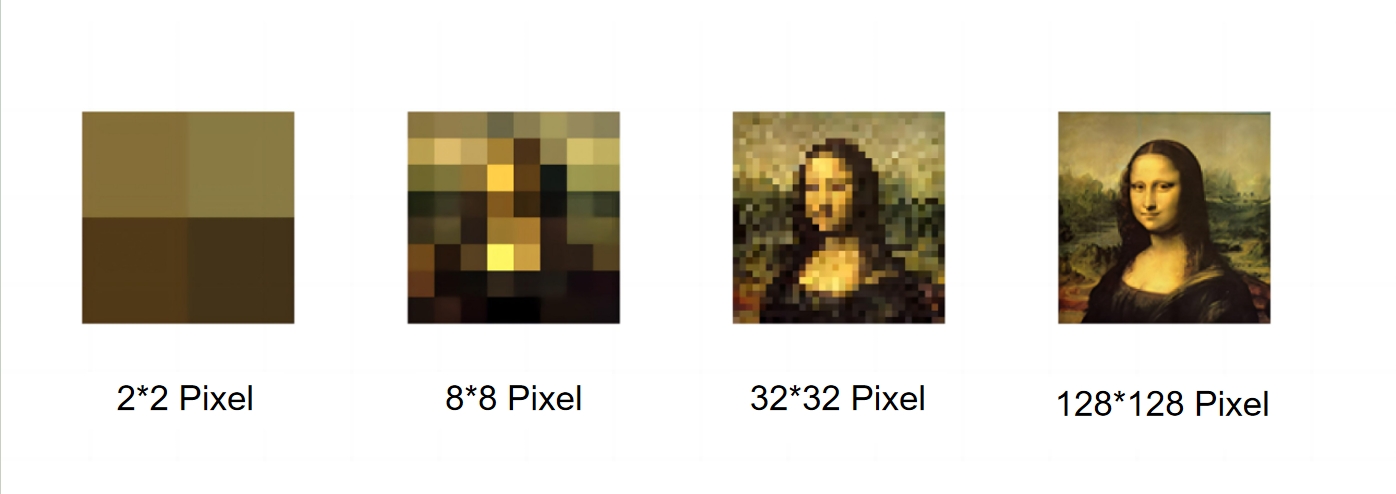
What is Television Resolution? Television resolution refers to the number of pixels displayed on the screen horizontally and vertically. It quantifies the sharpness and clarity of the images produced by the TV. Essentially, it determines the level of detail that can be seen on the screen.
Principles of Resolution: The principle behind resolution lies in the pixel density. Pixels are the smallest individual units of an image, and the more pixels there are, the finer the details that can be displayed. Resolution is typically represented by two numbers, such as 1920x1080 or 3840x2160, indicating the horizontal and vertical pixel counts, respectively.
2. Differences Between Resolutions:
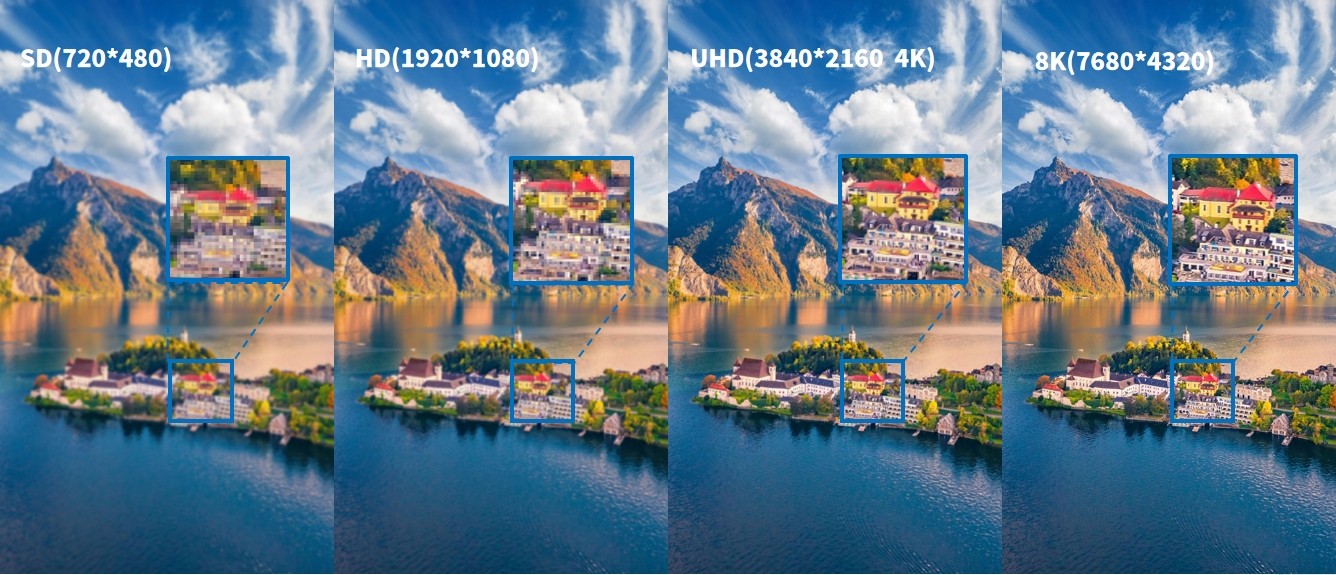
Standard Definition (SD): SD resolution, typically 720x480 pixels, provides a basic level of image quality suitable for smaller screens. However, it lacks the sharpness and detail offered by higher resolutions.
High Definition (HD): HD resolutions, such as 1280x720 (720p) or 1920x1080 (1080p), offer significantly improved clarity and detail compared to SD. HD is the minimum standard for most modern TVs and provides a more immersive viewing experience.
Ultra High Definition (UHD) or 4K: UHD resolutions, commonly known as 4K, boast a resolution of 3840x2160 pixels. This resolution delivers exceptional detail and clarity, making it ideal for larger screens and immersive viewing experiences like gaming and watching high-quality content.
8K Resolution: The latest advancement in resolution technology, 8K resolution (7680x4320 pixels), takes picture quality to unprecedented levels of sharpness and realism. While not yet widely adopted, 8K TVs offer unparalleled clarity and are future-proof for upcoming content standards.
3. Mainstream Resolutions in the Market:
Currently, the mainst ream resolutions available in the market are HD (720p and 1080p) and UHD (4K). These resolutions cater to a wide range of consumer needs, from budget-friendly options to premium viewing experiences.
Currently, there are a few 8K TVs on the market. However, due to the high cost and lack of 8K video content, 8K has not yet taken off.

4. How to Choose the Right Resolution:
Consider Viewing Distance: For an optimal viewing experience, consider the distance between the TV and the viewer. Higher resolutions, such as 4K or 8K, are best appreciated on larger screens or when viewed from closer distances.
Content Consumption: Take into account the type of content you primarily watch. If you enjoy streaming high-quality movies or playing video games, a higher resolution TV will enhance your viewing experience and immerse you in the action.
Budget and Future-Proofing: Balance your budget with your desire for future-proofing. While 4K and 8K TVs may come with a higher price tag, they offer superior picture quality and are more likely to support upcoming content standards.
In conclusion, understanding television resolution is essential for selecting the right TV that meets your viewing preferences and budget. Whether you opt for HD, UHD, or the latest 8K technology, each resolution offers a unique viewing experience that enhances your entertainment enjoyment.


More information
-

WEYON Shines at LATIN AMERICAN ELECTRONICS Show 2025
WEYON showcased its 32-65" smart TVs at the LATIN AMERICAN ELECTRONICS Show (June 23-26, Brazil), attracting strong interest from buyers and partners. Our smart features, and sleek designs impressed visitors, reinforcing WEYON’s expansion in Latin America. Stay tuned for more!
View Details -
The Impact of Speaker Placement and Power on TV Viewing Experience
Speaker placement and power significantly impact the viewing experience. Choosing the right configuration ensures an immersive and enjoyable time in front of the TV. You tailor your choices based on your specific needs and room setup.
View Details -
Understanding Color Gamut of Smart TVs
Understanding color gamut is key when choosing a TV. It refers to the range of colors a display can reproduce, affecting image accuracy and vibrancy. Wider gamuts like DCI-P3 and Rec. 2020 offer more lifelike visuals. Common standards include sRGB, Adobe RGB, DCI-P3, and Rec. 2020. TVs with broader gamuts provide better image quality, realism, and future-proofing.
View Details -
Smart TV Speaker Position Guide
Understanding the role of speaker position in smart TVs can significantly improve your viewing experience. This article covers various speaker placements and their effects on sound quality and immersion, offering practical advice for choosing the right setup for different room sizes. It highlights the best speaker configurations for small, medium, and large rooms, ensuring an optimal audio experience.
View Details -
What is HDR for TVs?
Discover how HDR (High Dynamic Range) technology transforms TV viewing by expanding color and contrast. HDR enhances brightness, preserves details in bright and dark scenes, and provides lifelike images. Learn about HDR10, HDR10+, and Dolby Vision to understand their unique benefits and how they improve your viewing experience. Upgrade to an HDR TV for richer colors and deeper contrasts.
View Details -
The Essentials of Viewing Angles in Smart TVs
When selecting a smart TV, the viewing angle is crucial for optimal image quality and viewing comfort, especially in larger rooms or for group viewing. This article explains what viewing angles are, how they are measured, and their impact on image quality. It compares different panel types (LED/LCD, OLED, IPS, VA) and provides tips on choosing a TV with the best viewing angles.
View Details -
Unlocking Smart TV refresh rate secrets
Welcome to our guide on refresh rates in smart TVs. In this article, we aim to demystify the concept of refresh rates and explain their significance in enhancing your viewing experience.
View Details -
Demystifying TV Brightness: Shedding Light on Screen Illumination
This article examines the significance of TV brightness, defining it, outlining its specifications, and discussing the optimal settings for various scenarios. Brightness has a direct impact on clarity and the overall viewing experience. Excessive brightness can cause eye fatigue, so it is important to adjust it according to ambient light and personal preference.
View Details




Contact +
E-mail: sales@weyontv.com
Telephone:+86 0591 8376 6891 / +86 18559895619
Working Hours:8:30am-17:30pm (UTC+8)


Copyright ©2024 WEYONTV All Rights Reserved


